
Reverse Engineering Start Date: April 29, 2025
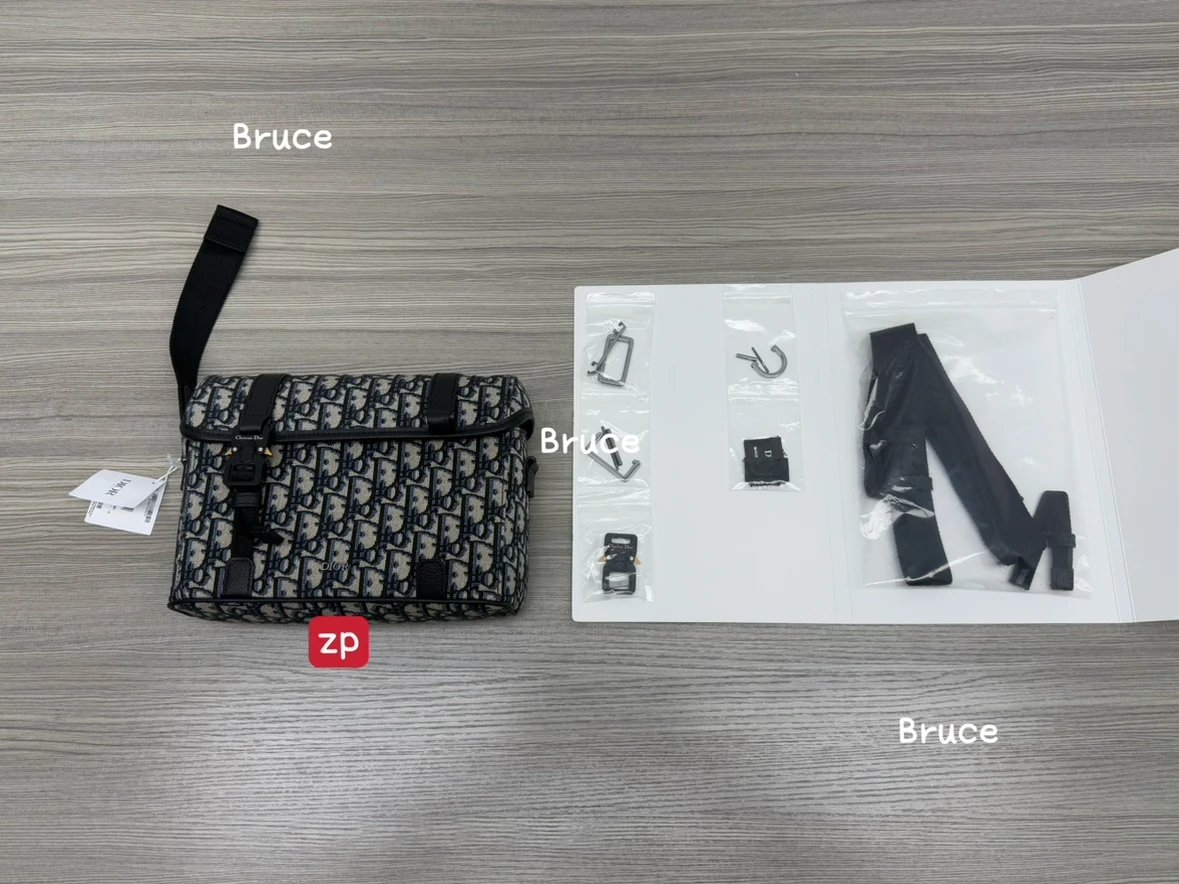
This is the deconstruction log for the Bruce Studio Dior 2025SS Messenger Flap Bag.
It’s a long-form post. The complete journey is split into:
Deconstruction → Production → Finished Product Showcase & Comparison
Dior 25SS Latest Messenger Flap Bag
Retail Price: 25,000 RMB (3,300USD)
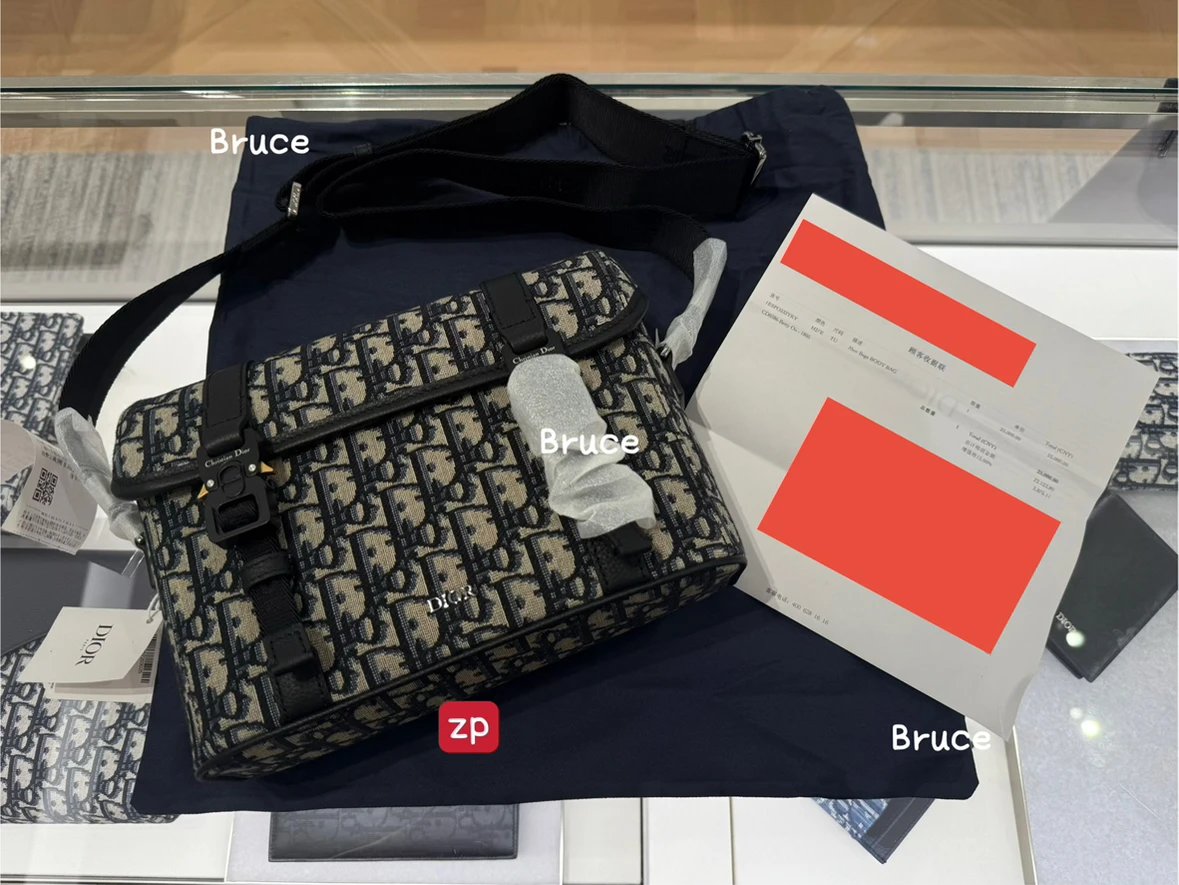
Pre-Teardown Prep
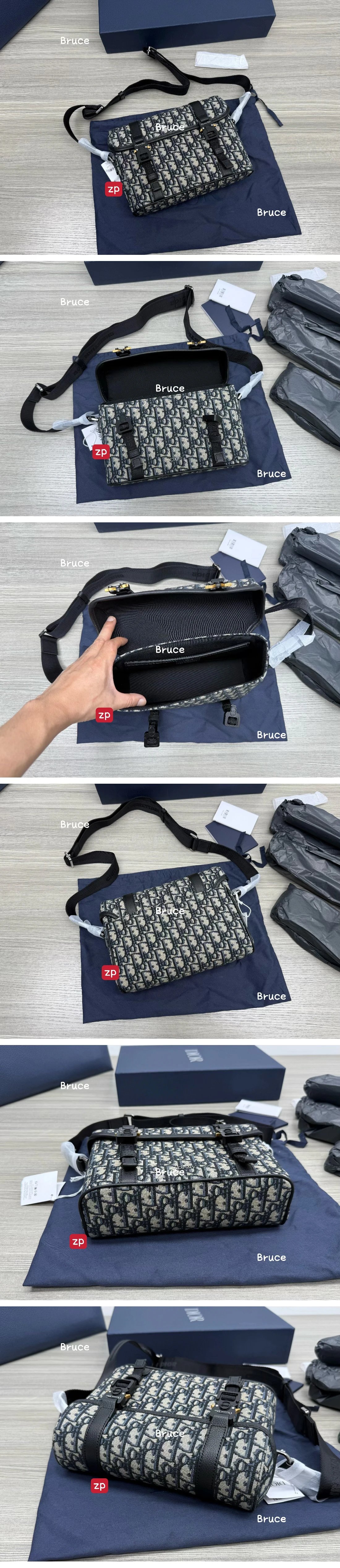
Product Overview
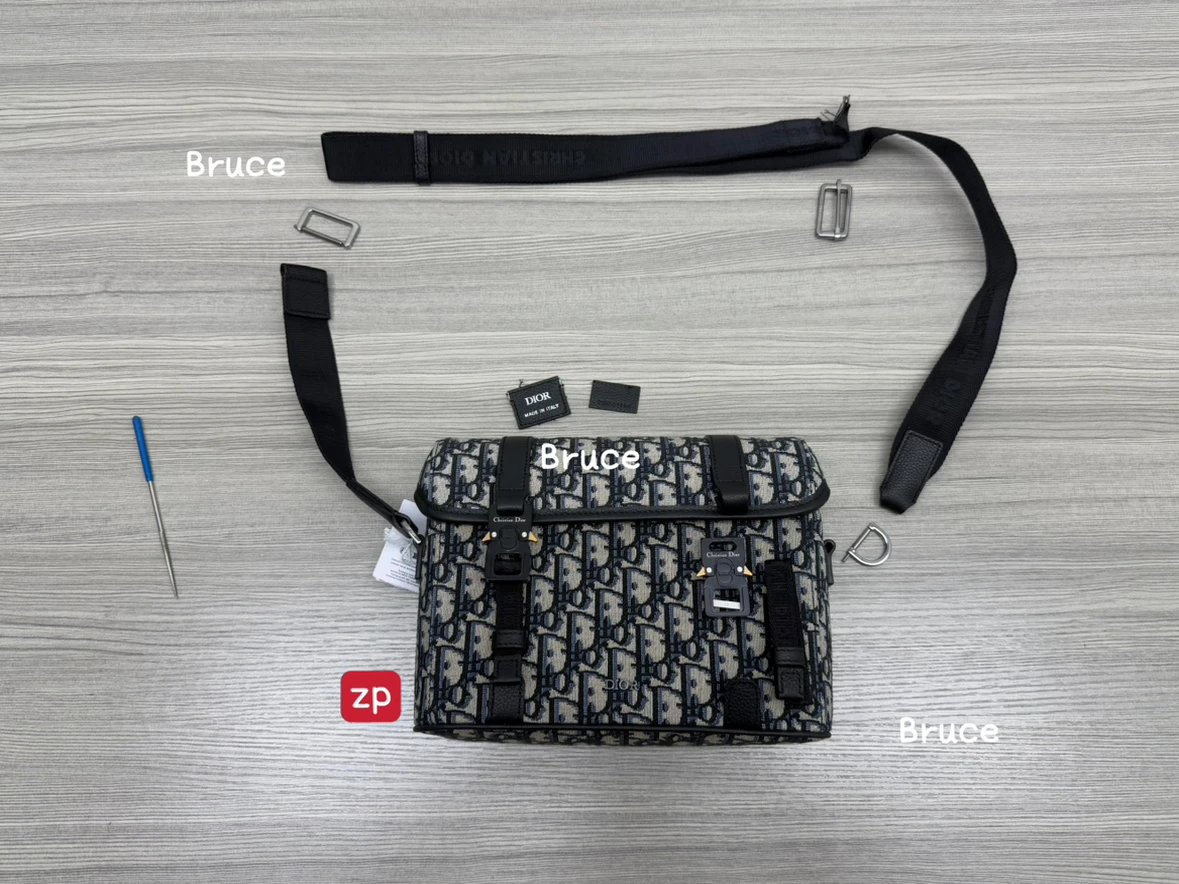
The Teardown
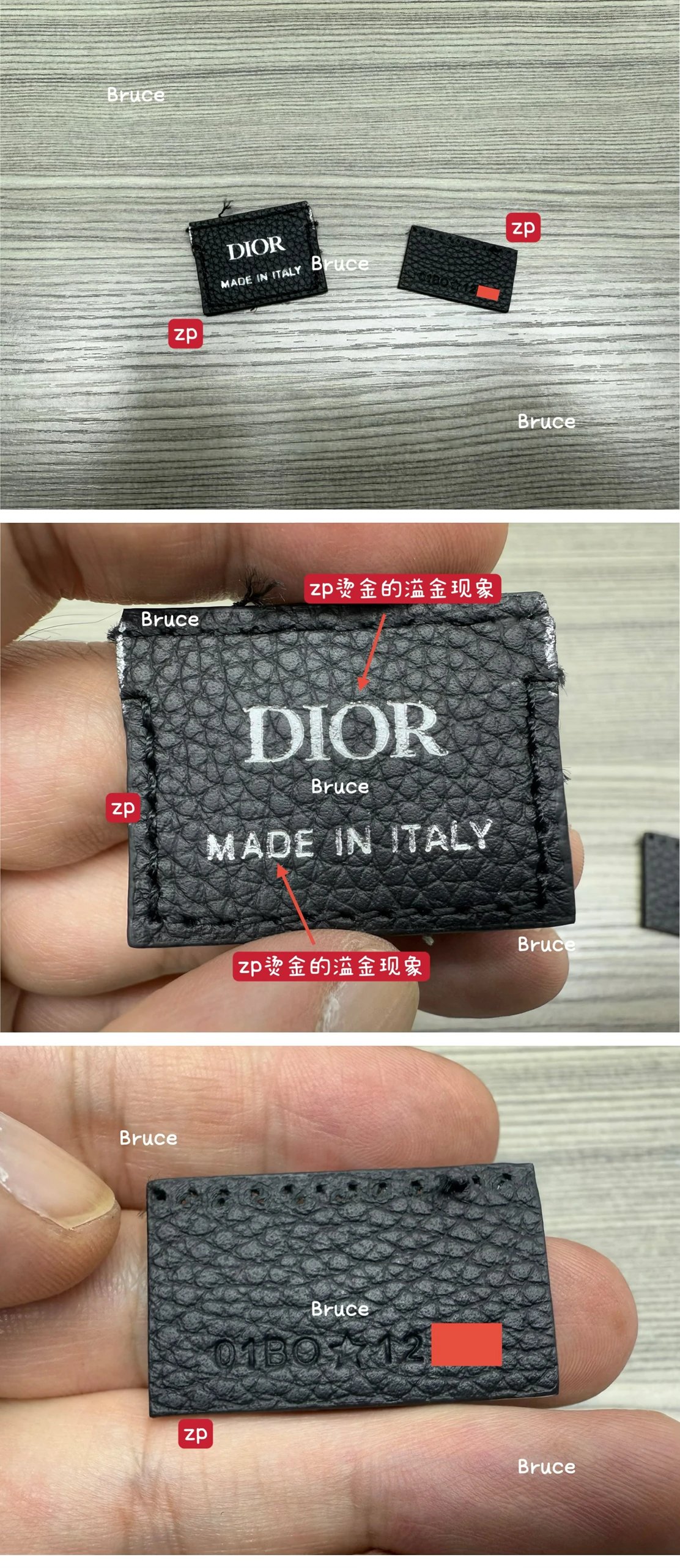
⚠️ The Main Label & Code Tag: A Lesson on "Gold Overflow"
Let’s talk about a common misconception: Gold Stamping Bleed/Overflow.
The reason gold foil "bleeds" or overflows is entirely due to the composition of the foil itself.
-
Domestic Fakes: Usually use plastic-based foil.
-
Retail (ZP): Tier-1 luxury houses use Gold Leaf Foil, which contains a mixture of real gold and other metallic elements.
The Rule: The more "overflow" or metallic bleeding you see around the edges of the characters, the more likely it is to be ZP (Retail). If the characters are perfectly clean, sharp, and look "stiff," it’s almost certainly an FK.
⚠️ This applies to all major luxury brands.
How "Bleeding" Occurs:
During high-temperature pressing, the metallic particles in real gold foil have high diffusivity (unlike plastic foil which has zero). This causes the foil to adhere slightly to the edges around the character.
-
In use, the "bleed" around the imprint may rub off over time.
-
The recessed part of the imprint remains.
The Cost Gap:
The ZP (Retail) heat stamping shows obvious overflow, which is a signature trait. Real Gold Leaf Foil (imported from Japan, Italy, or Germany) costs about 1,000 RMB per roll. The standard plastic foil used by other factories costs only 20 RMB per roll. That’s a 50x price difference.
Other factories don't achieve this "bleed" either because they want to save money, or they simply can't source the high-end metallic foil.
The Buckle Breakdown
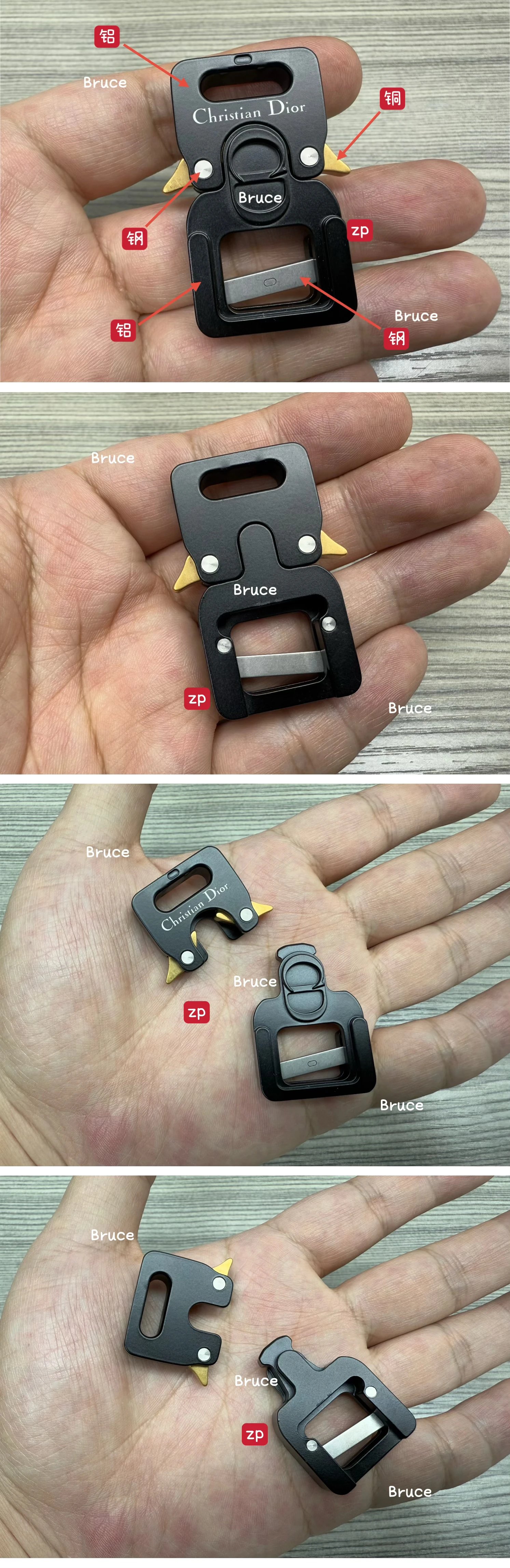
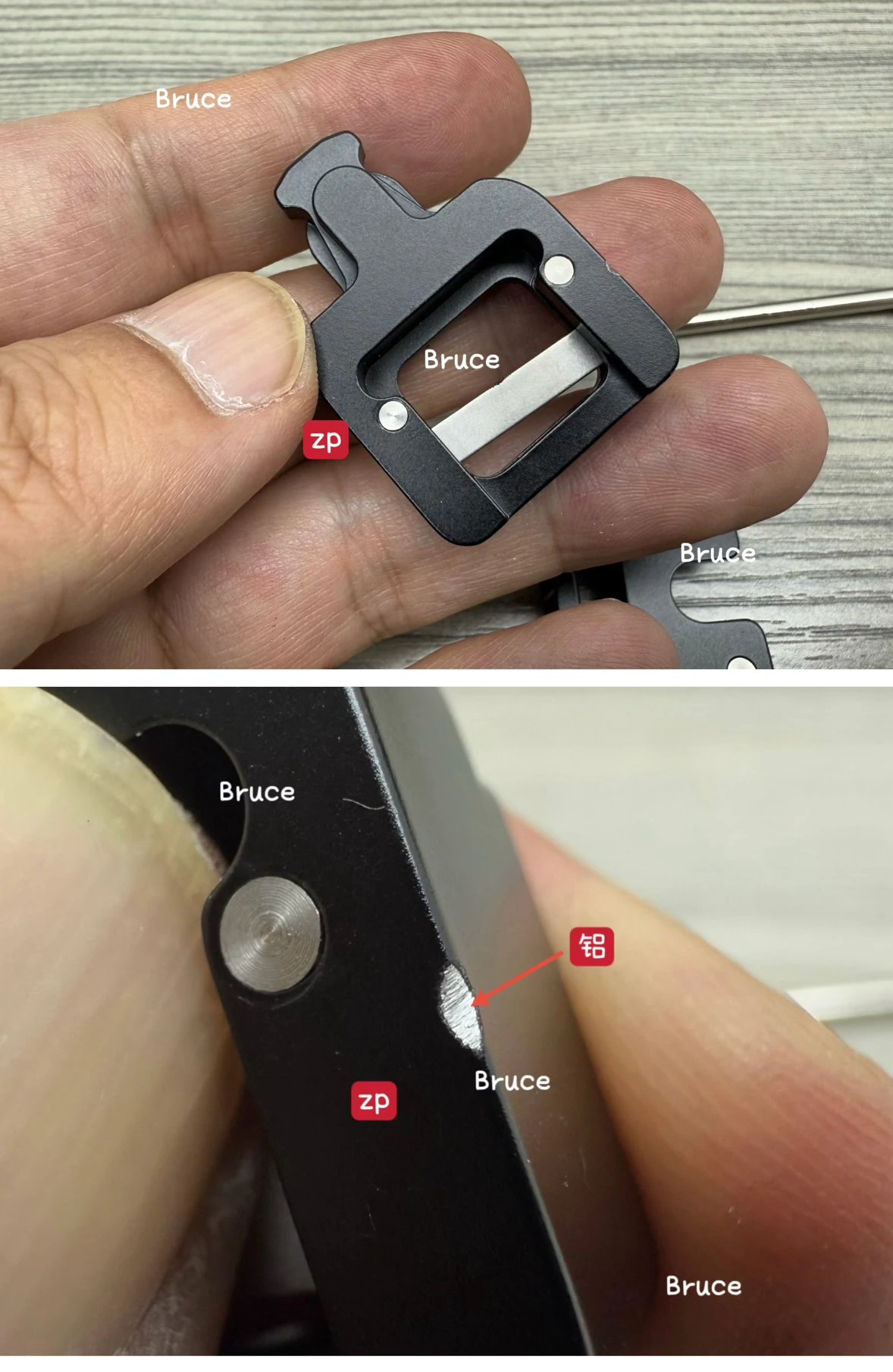
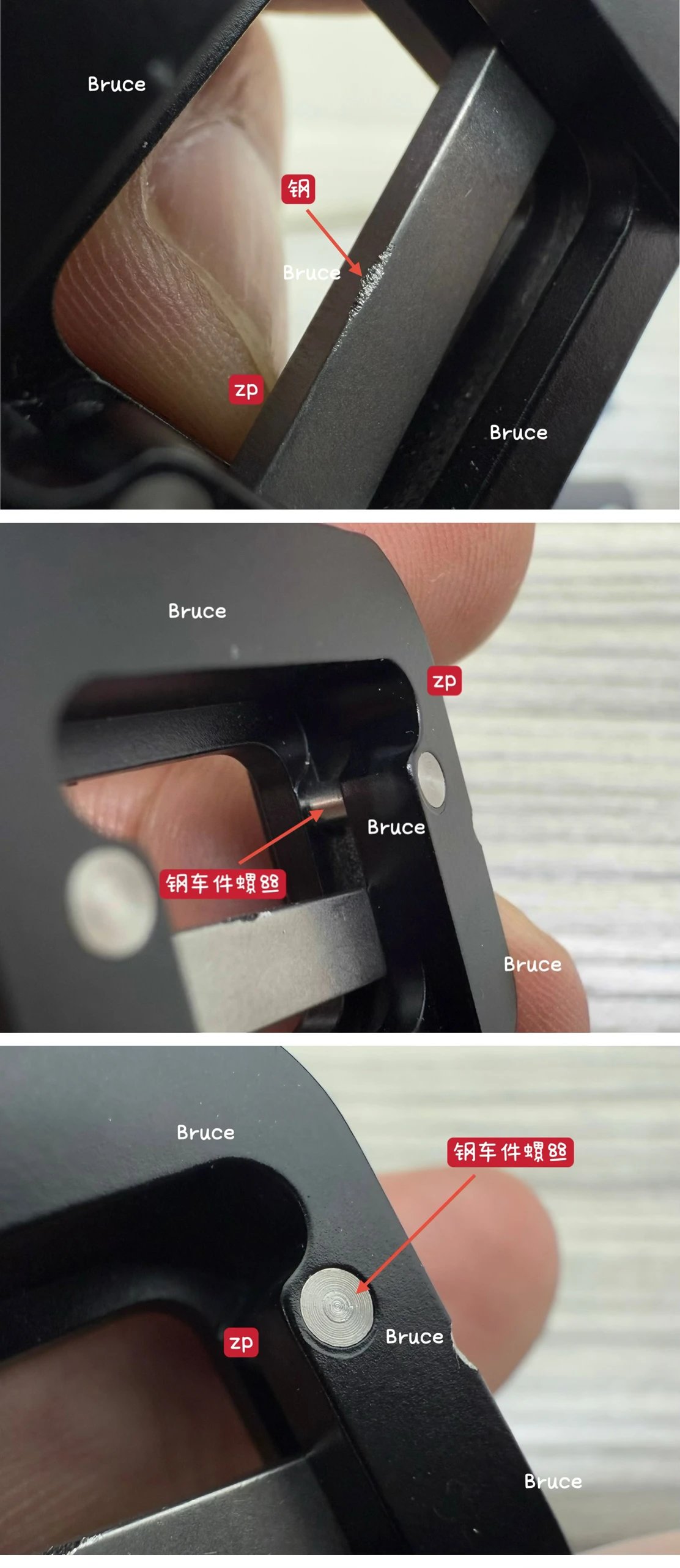
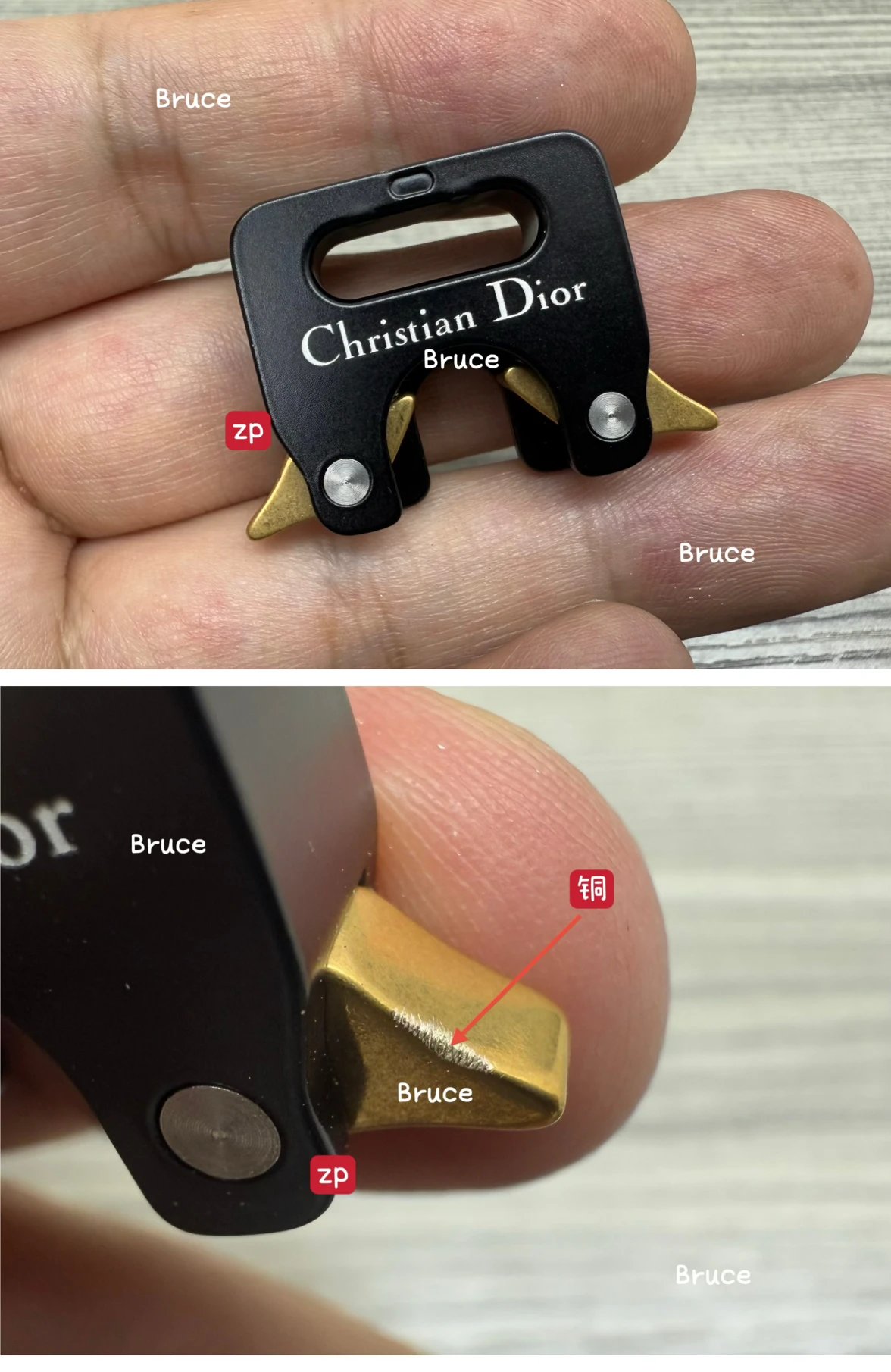
Structure & Materials
-
Main Body: Aluminum
-
Crossbar & Screws: Solid Steel
-
Buttons: Copper
⚠️ Rack Marks (Hanging Marks):
Why do these marks exist? During the surface finishing process (painting, electroplating, or anodizing), these components must be suspended by a rack/hanging tool. The spot where the tool holds the part is shielded, meaning the finish cannot reach it. These "rack marks" are a natural part of the industrial process.
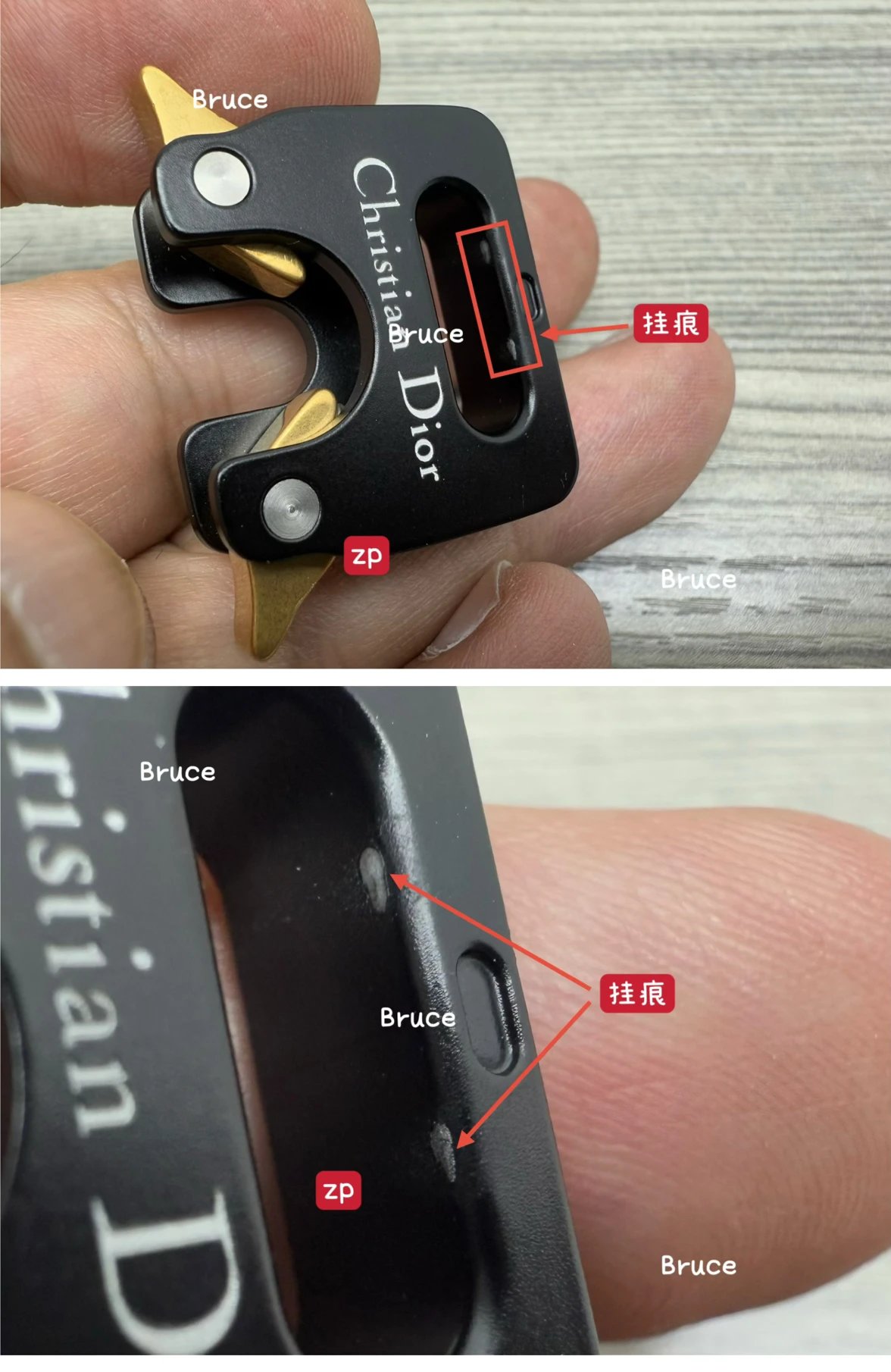
Side Tab D-Rings
Structure & Materials
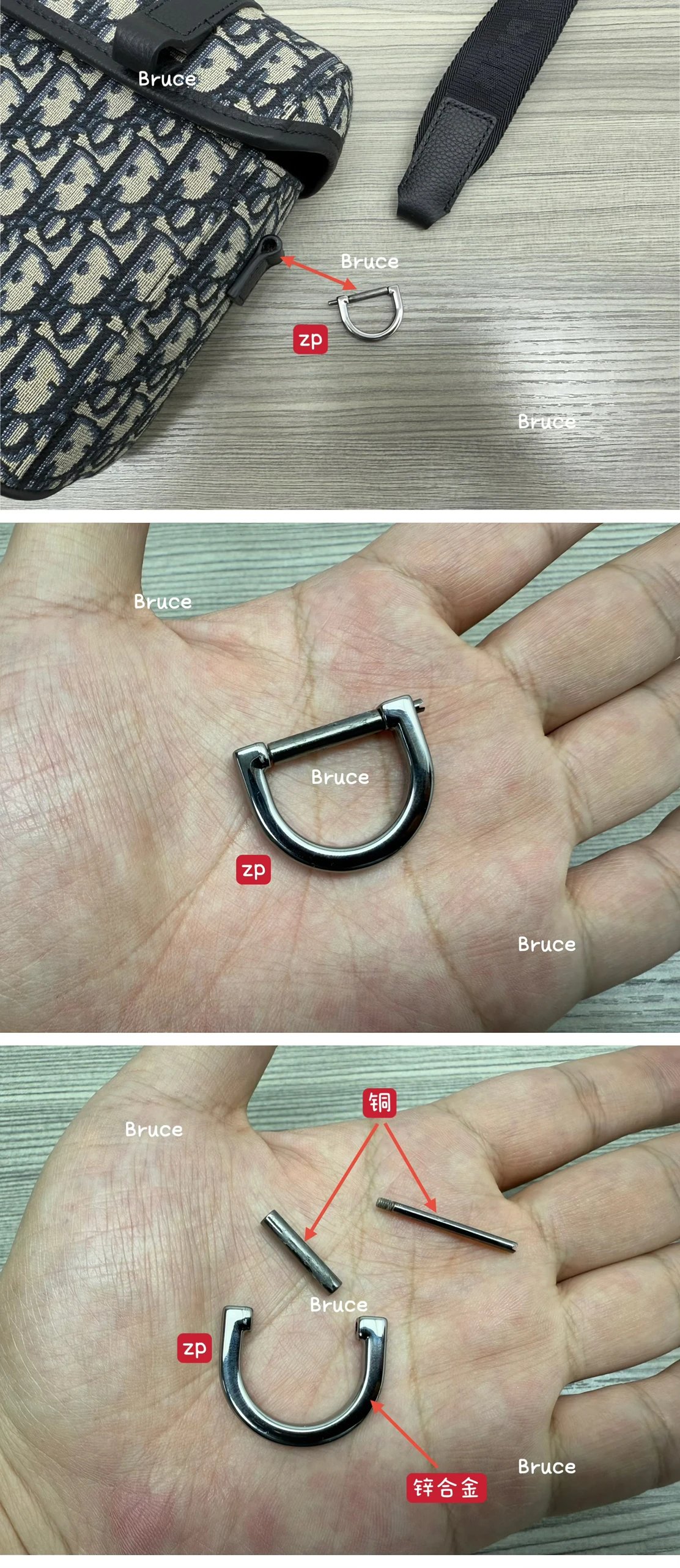
-
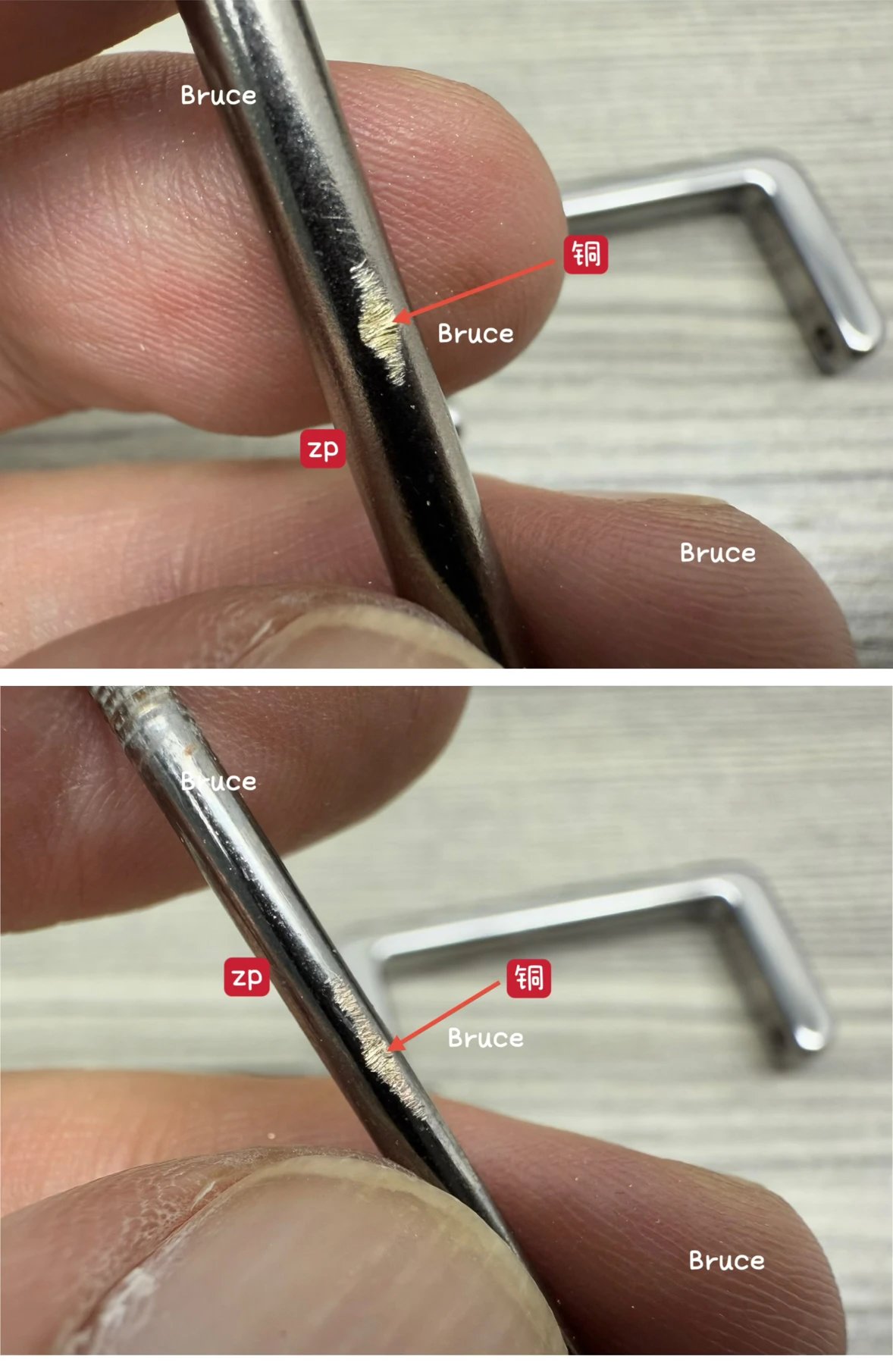
Sliding Tube & Screws: Copper
-
Plating: Ruthenium
⚠️ Note on Ruthenium:
Ruthenium is a rare precious metal. Most other factories skip this and use a cheap tin-nickel "Gunmetal" plating because the color looks similar. However, the density, hue, and cost are worlds apart.
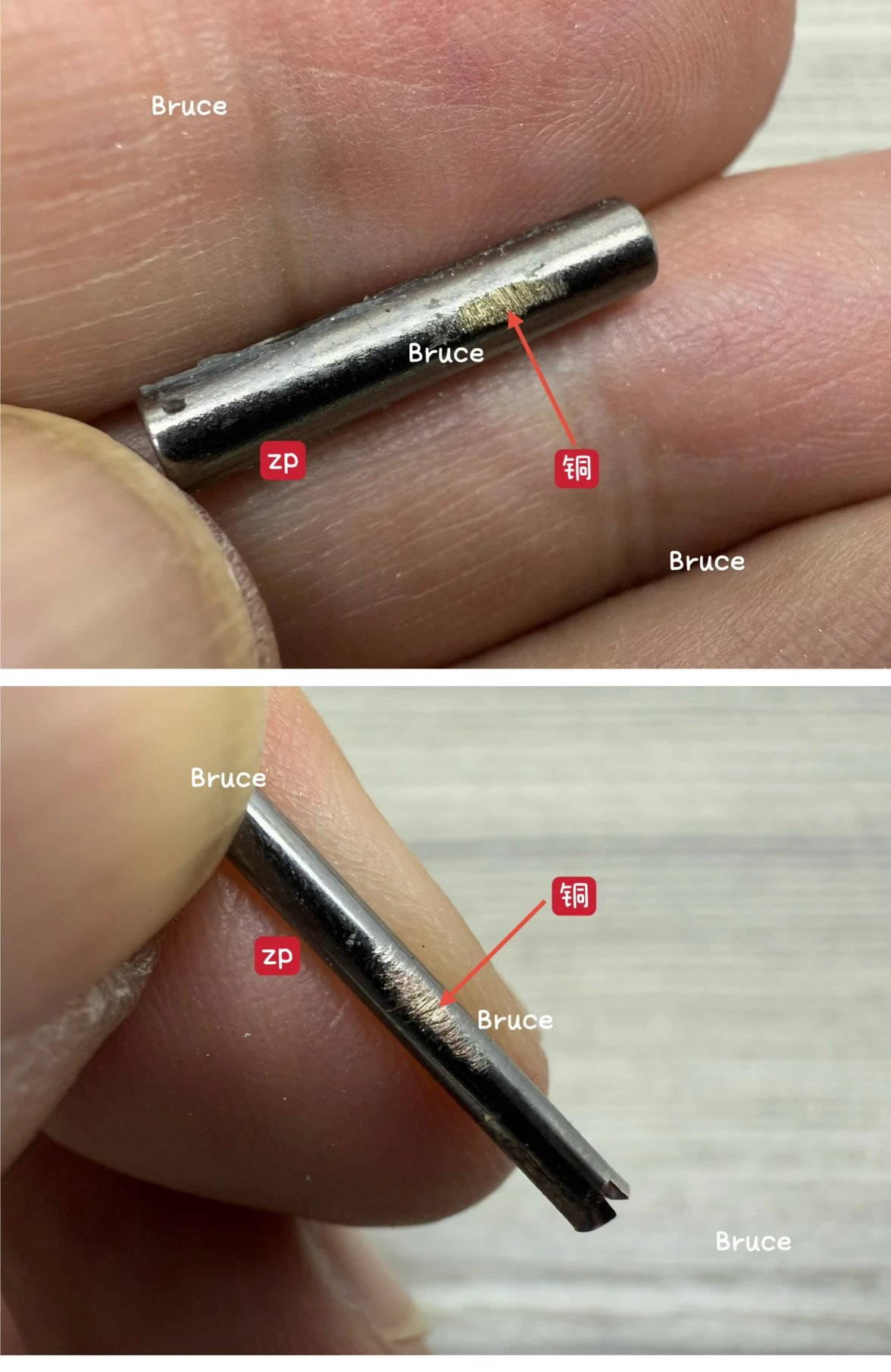
-
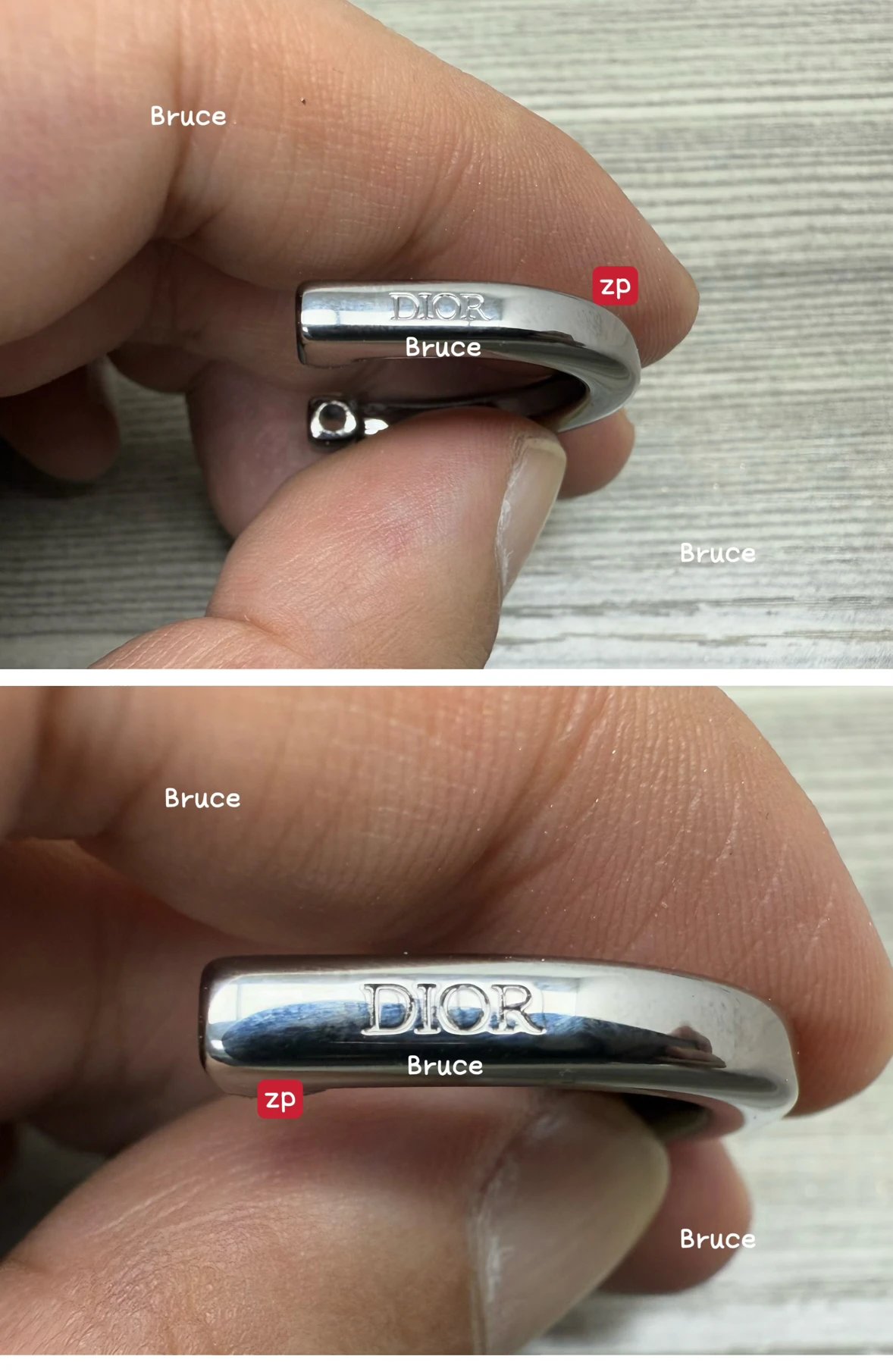
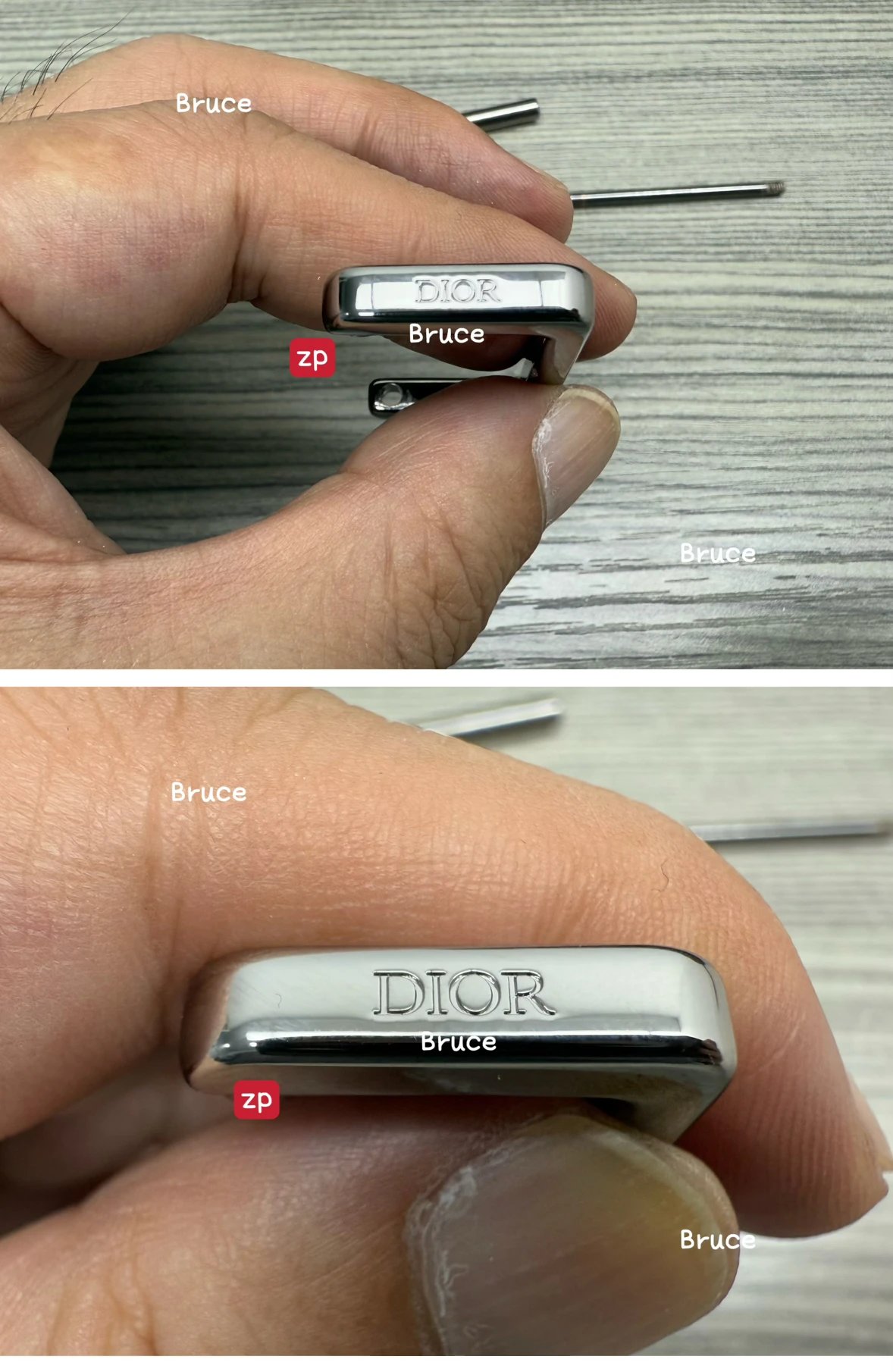
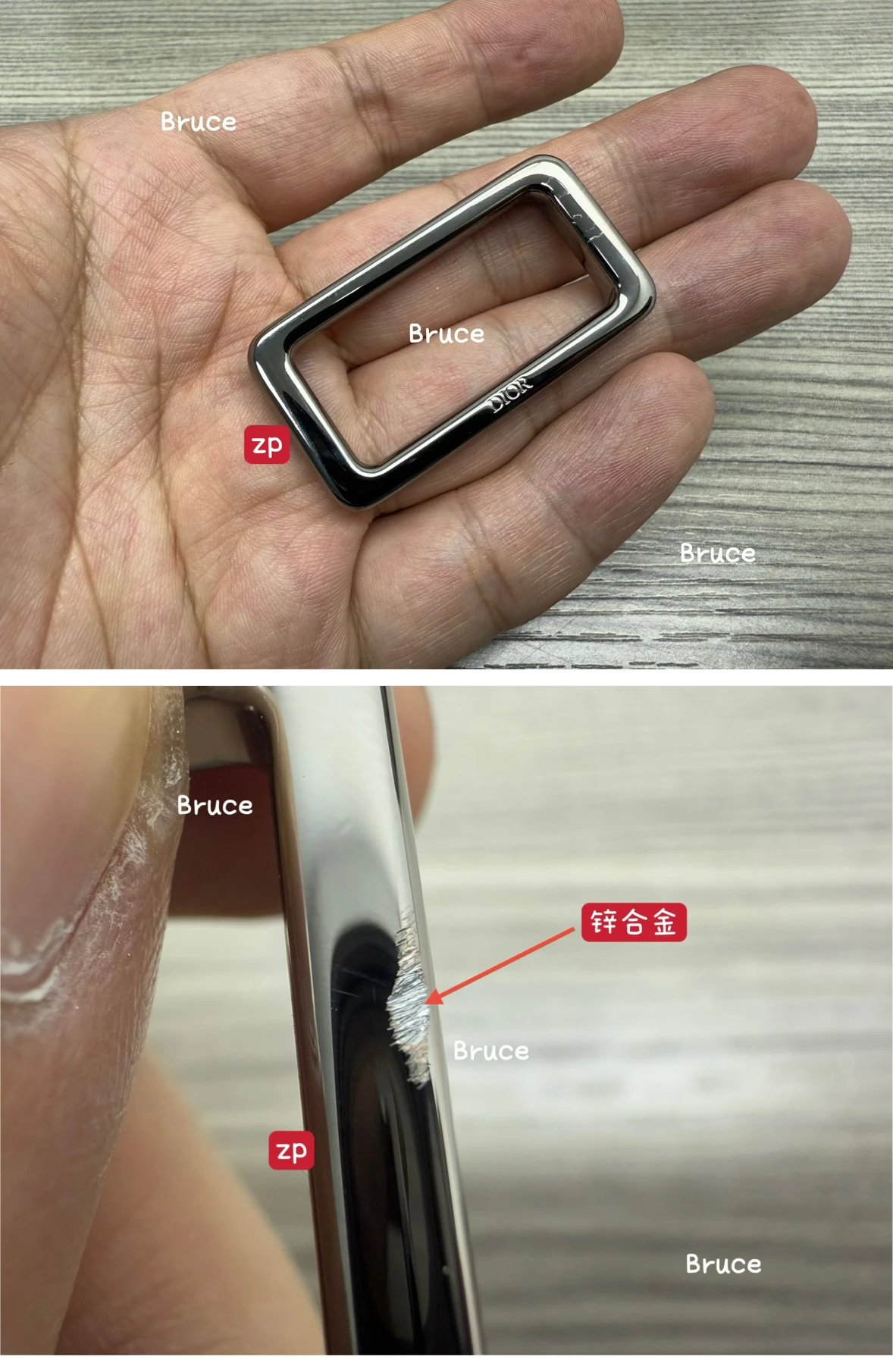
Main Body: Zinc Alloy
-
Plating: Ruthenium
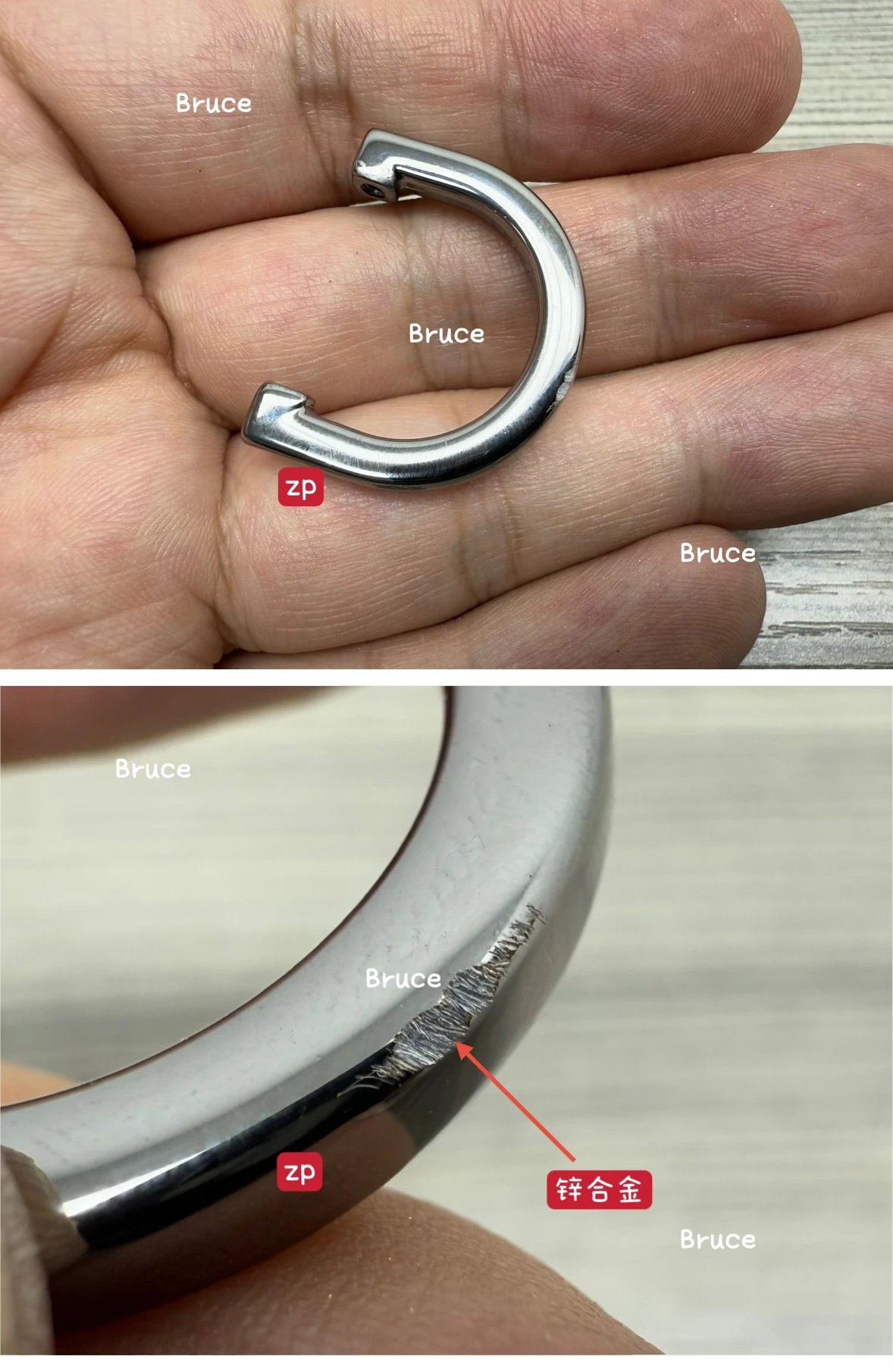
-
Branding: Mold-integrated engraving
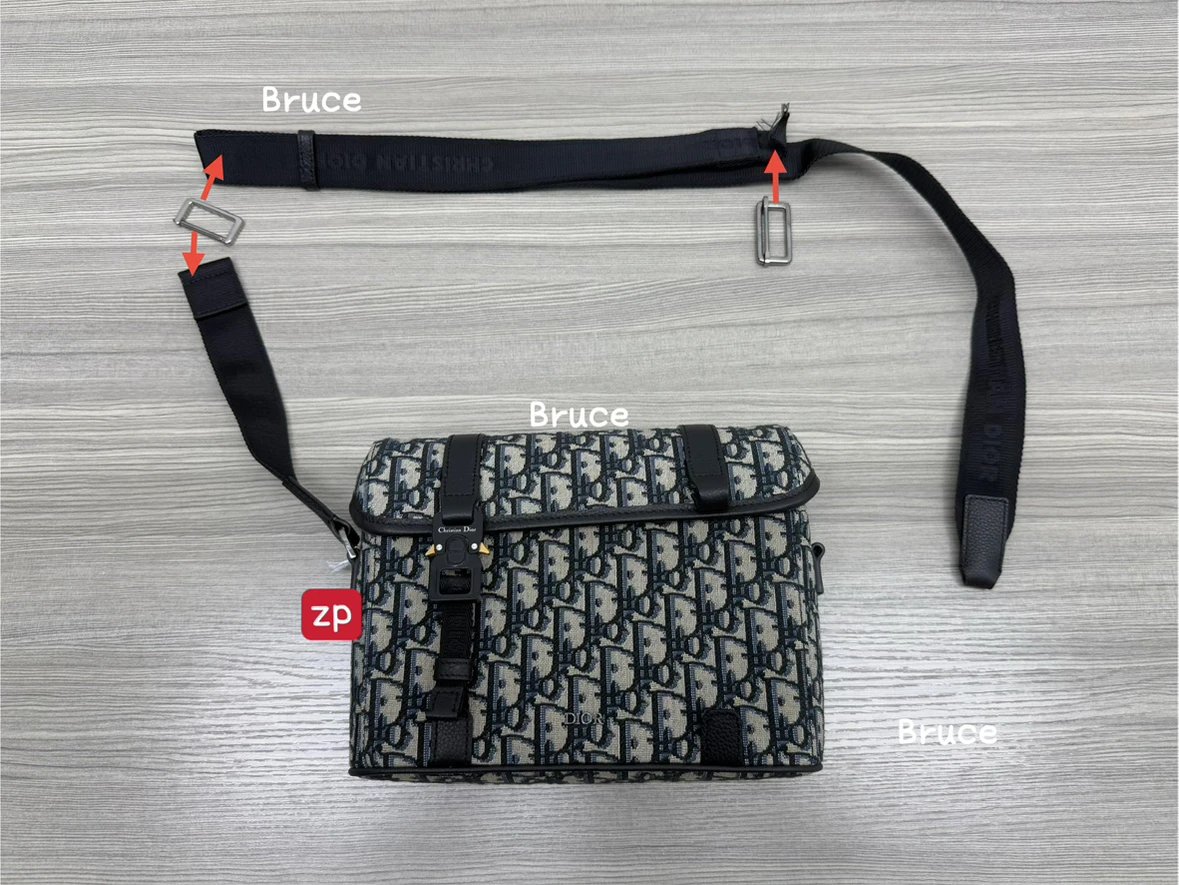
Strap Hardware (Square Buckle & Slider)
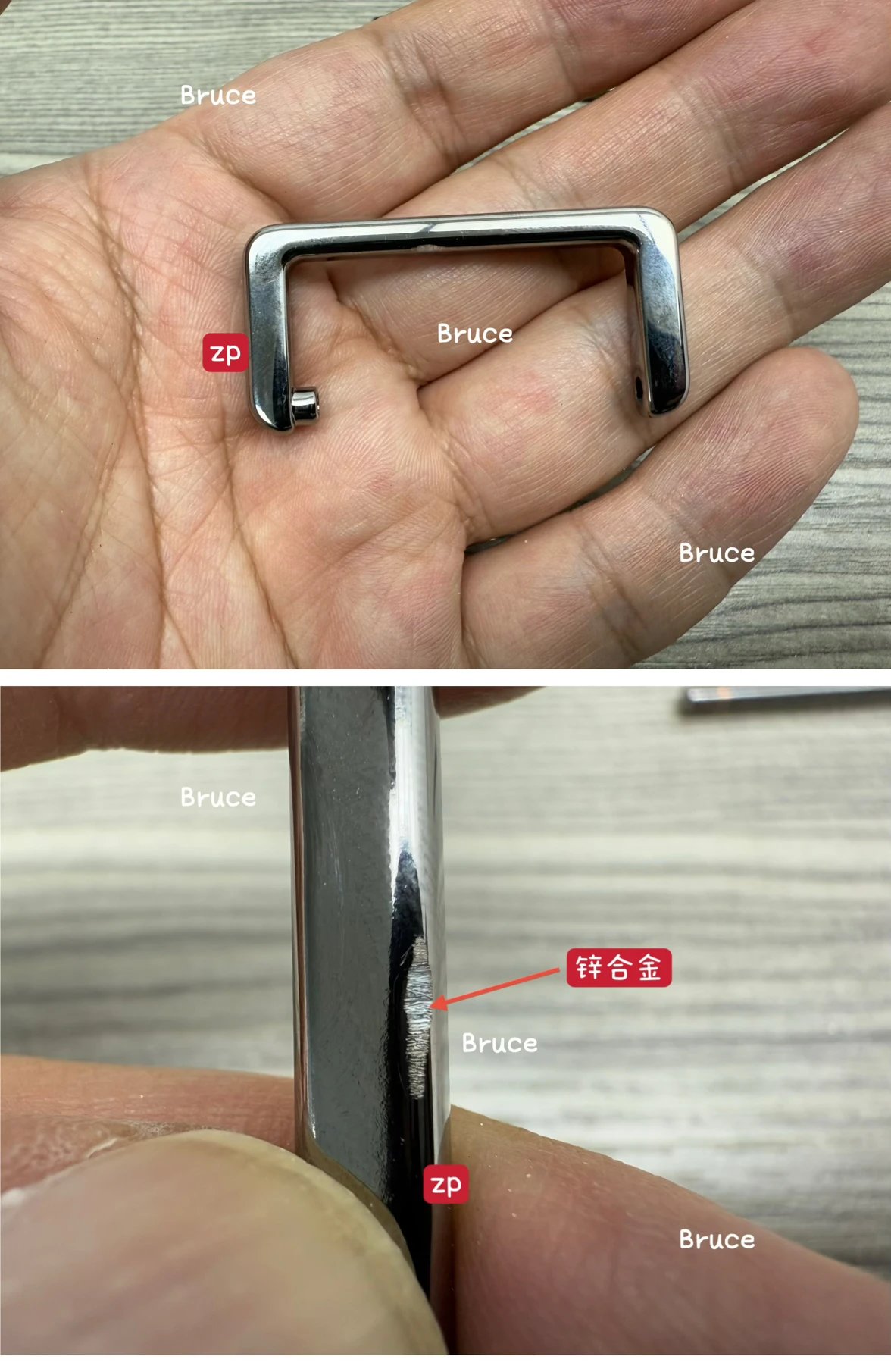
Square Buckle
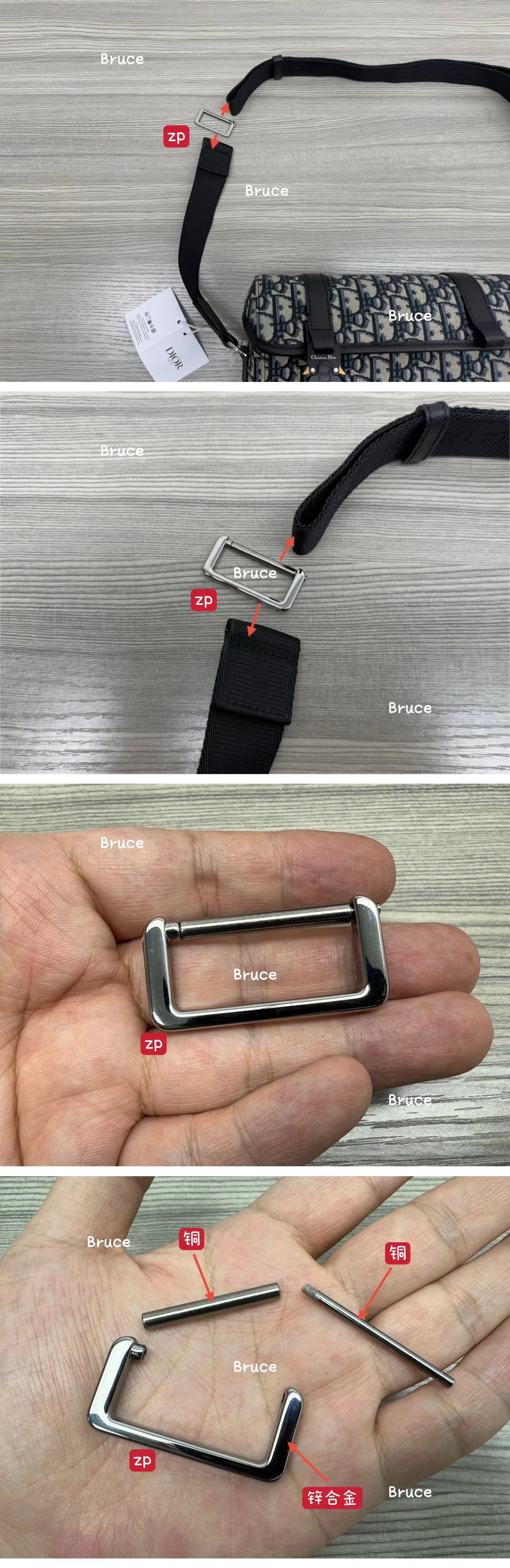
-
Sliding Tube & Screws: Copper / Ruthenium Plated
-
Main Body: Zinc Alloy / Ruthenium Plated
-
Branding: Mold-integrated engraving.
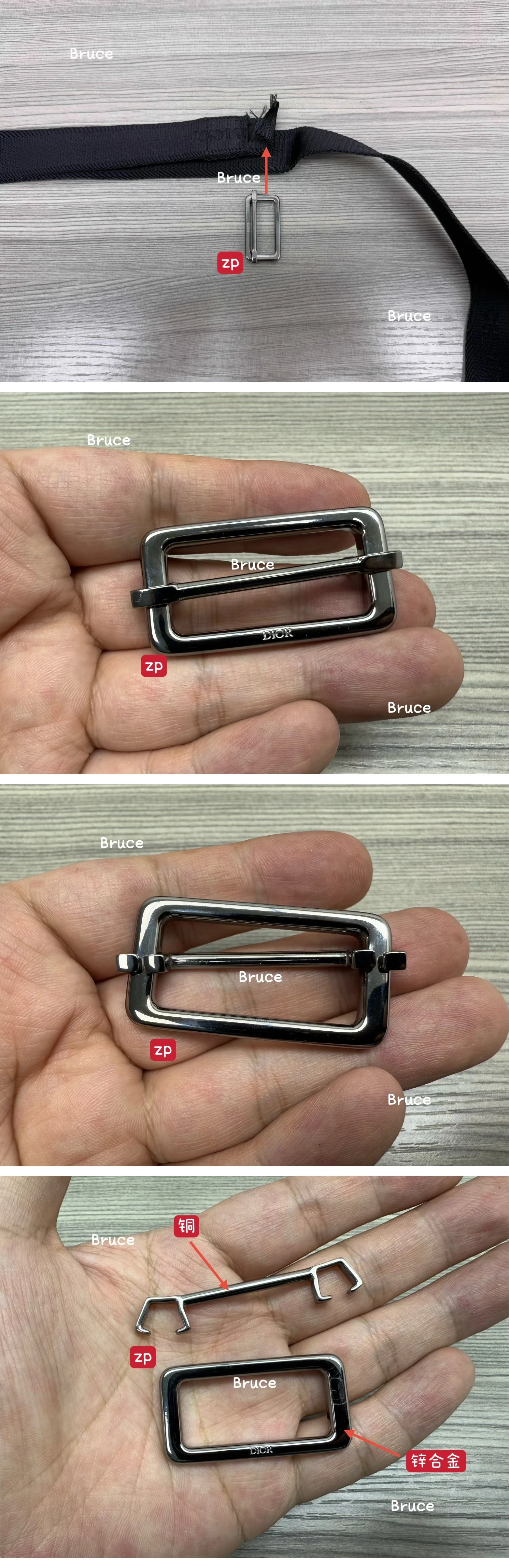
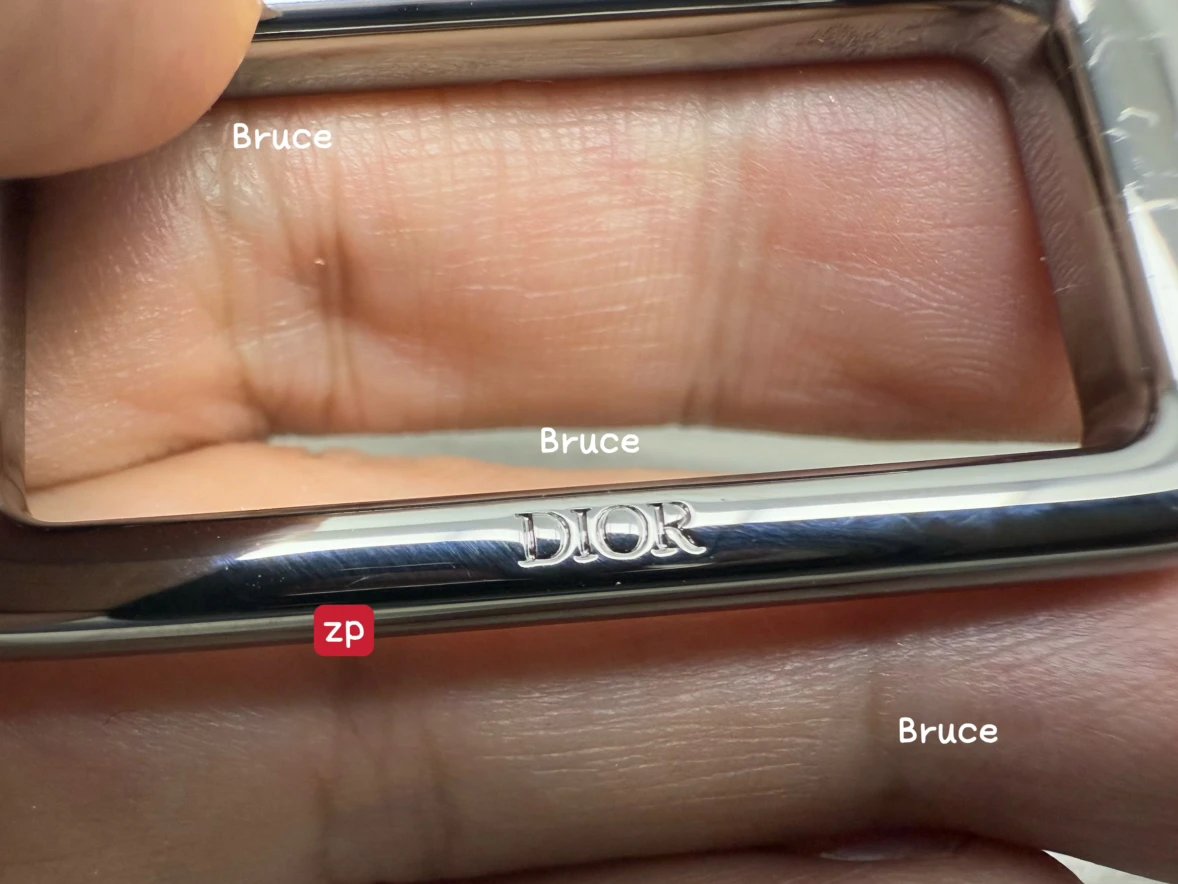
Strap Slider (Tri-glide)
-
Crossbar: Copper / Ruthenium Plated
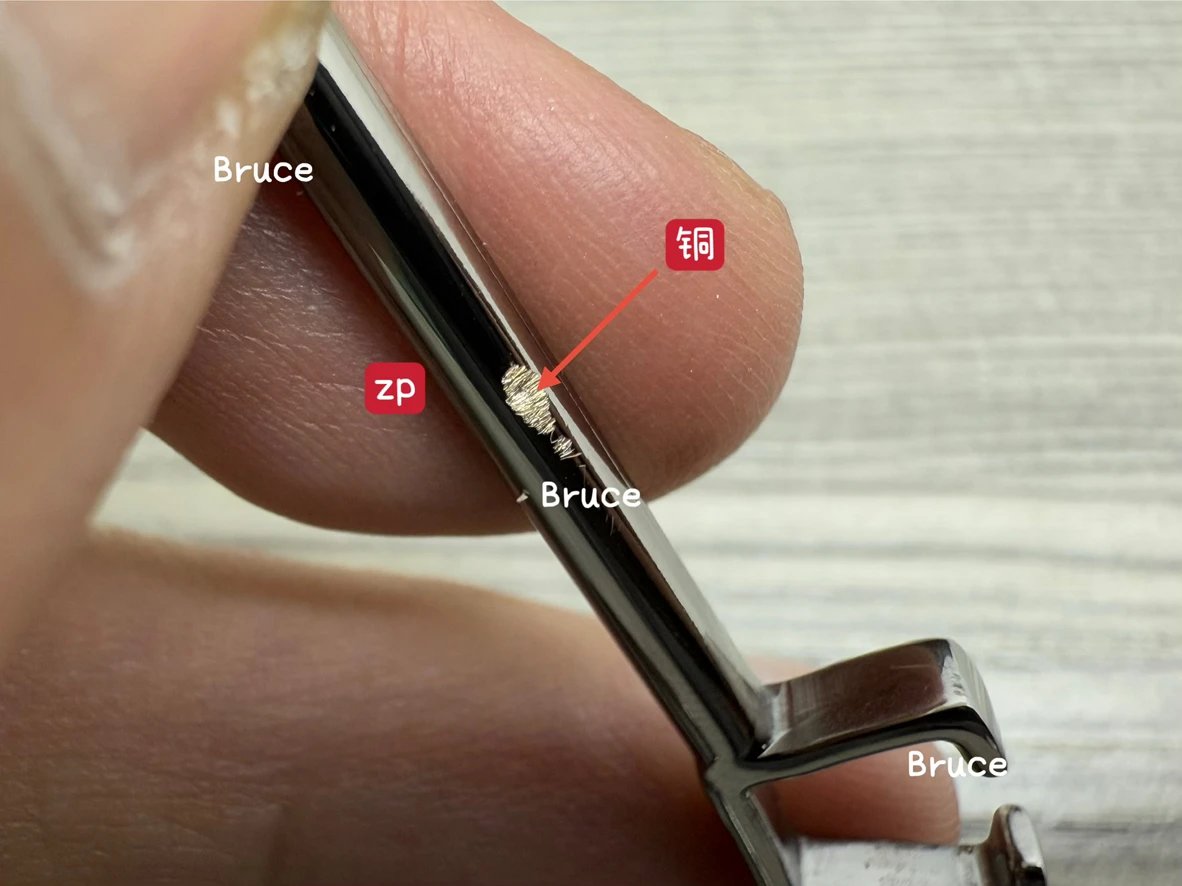
-
Main Body: Zinc Alloy / Ruthenium Plated
-
Branding: Mold-integrated engraving.
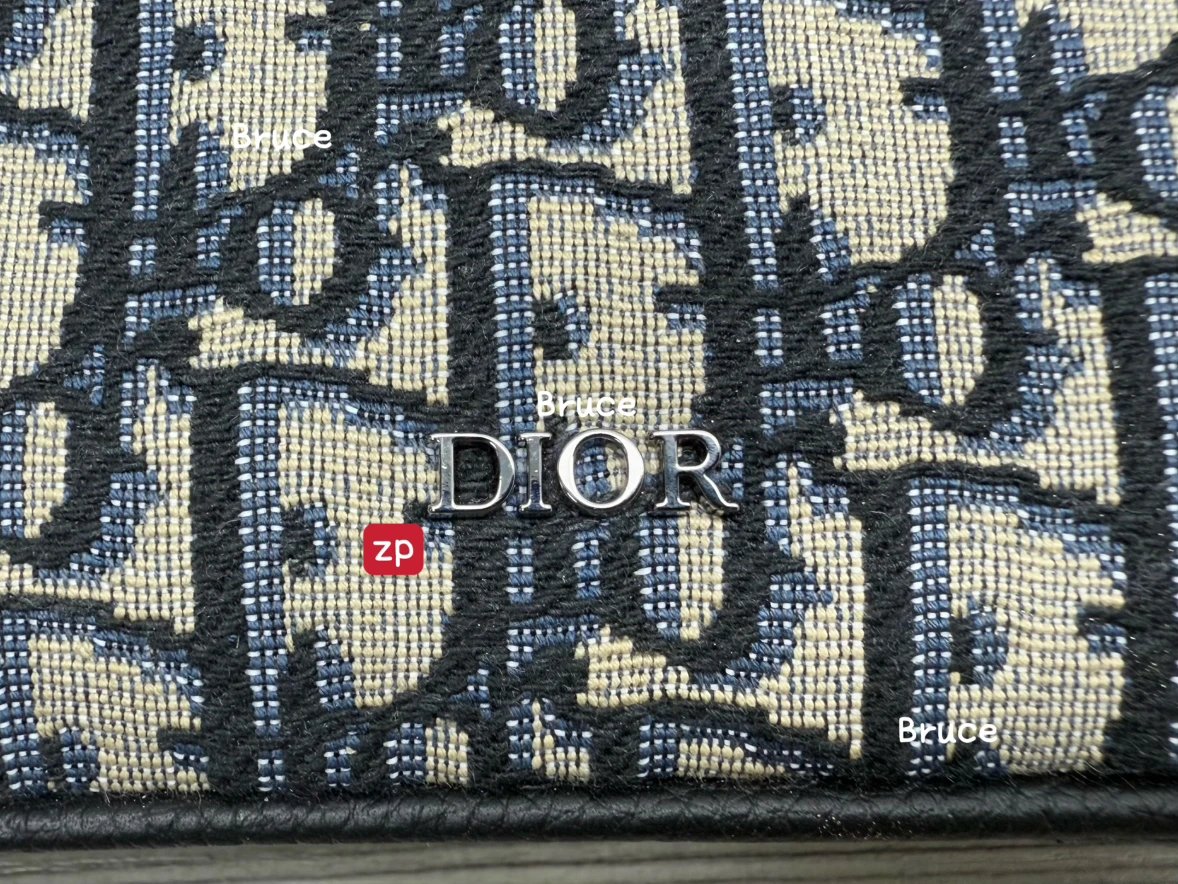
Letter Beads (D-I-O-R)
-
Material: Zinc Alloy
-
Plating: Ruthenium
Webbing (Large & Small)
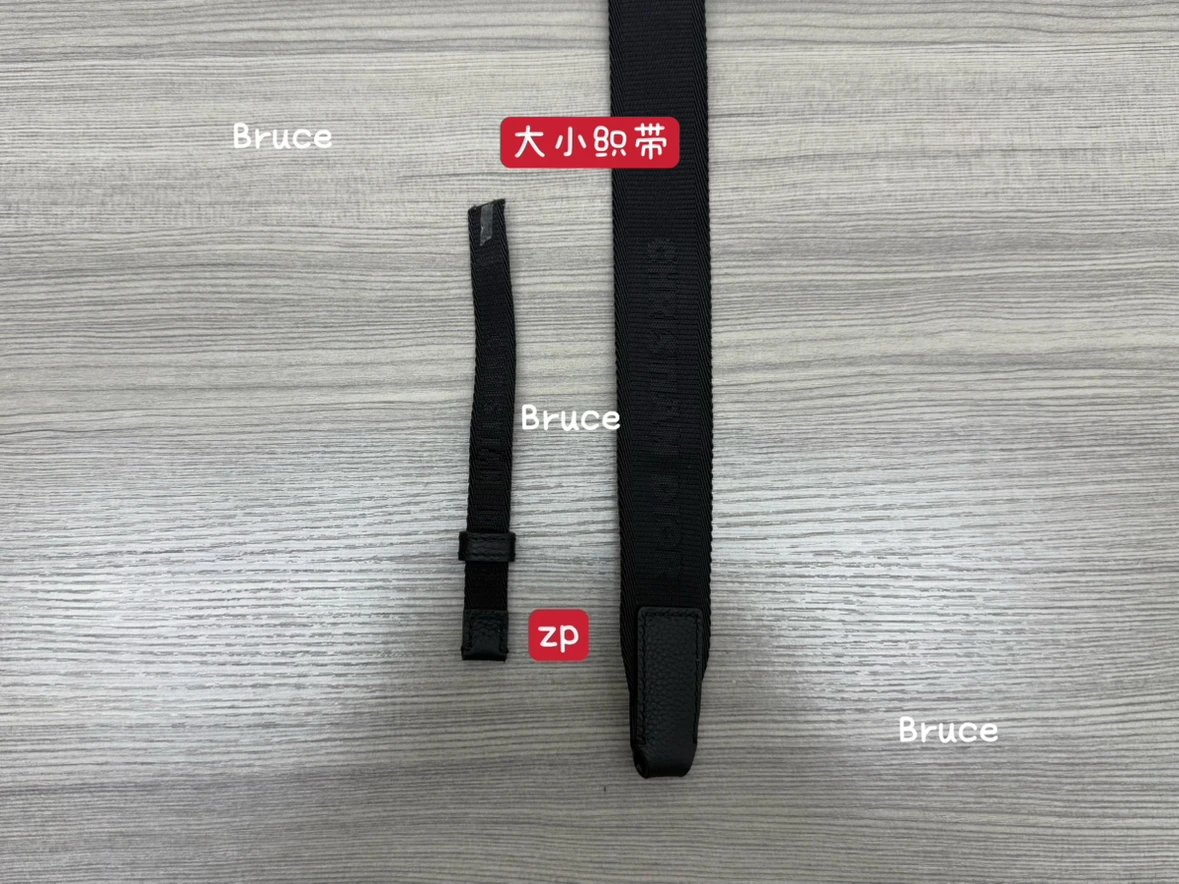
Teardown Complete.
Analyzing ZP (Retail) Craftsmanship Flaws
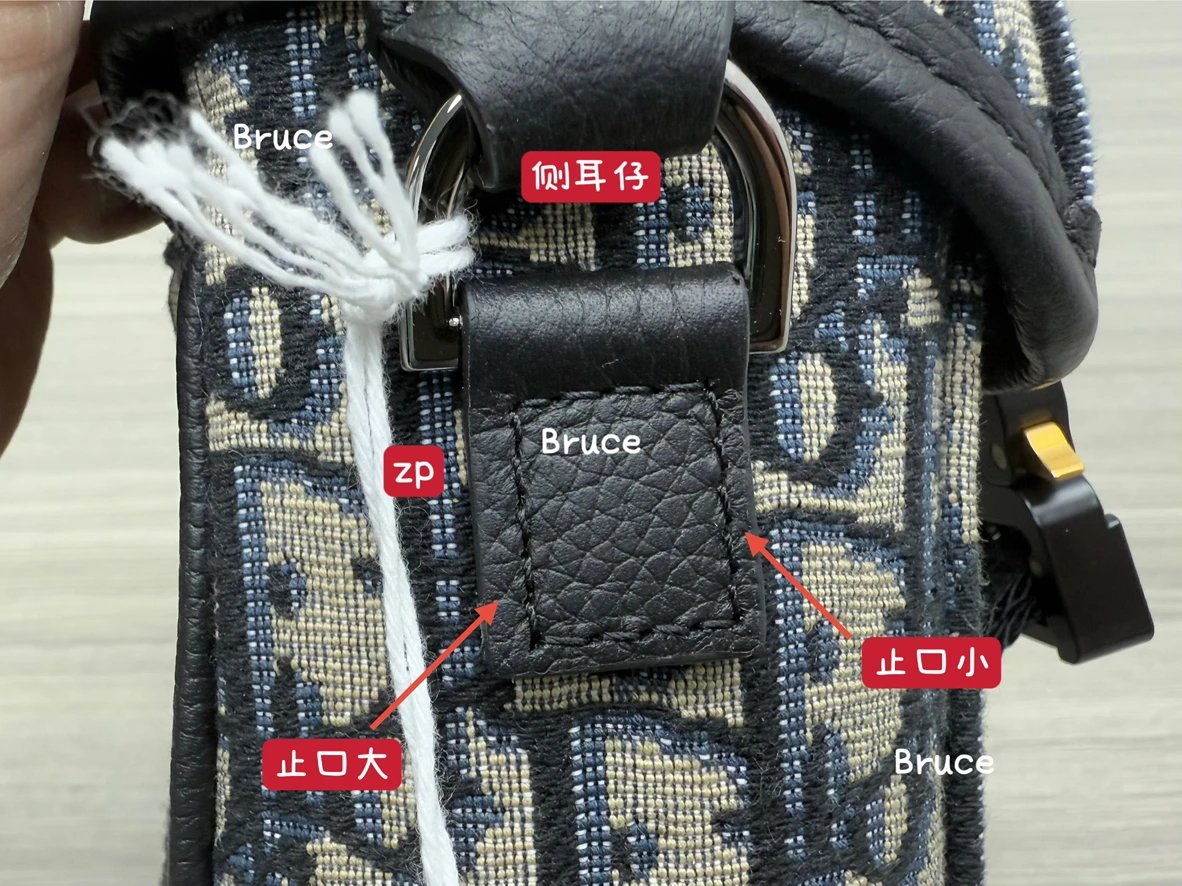
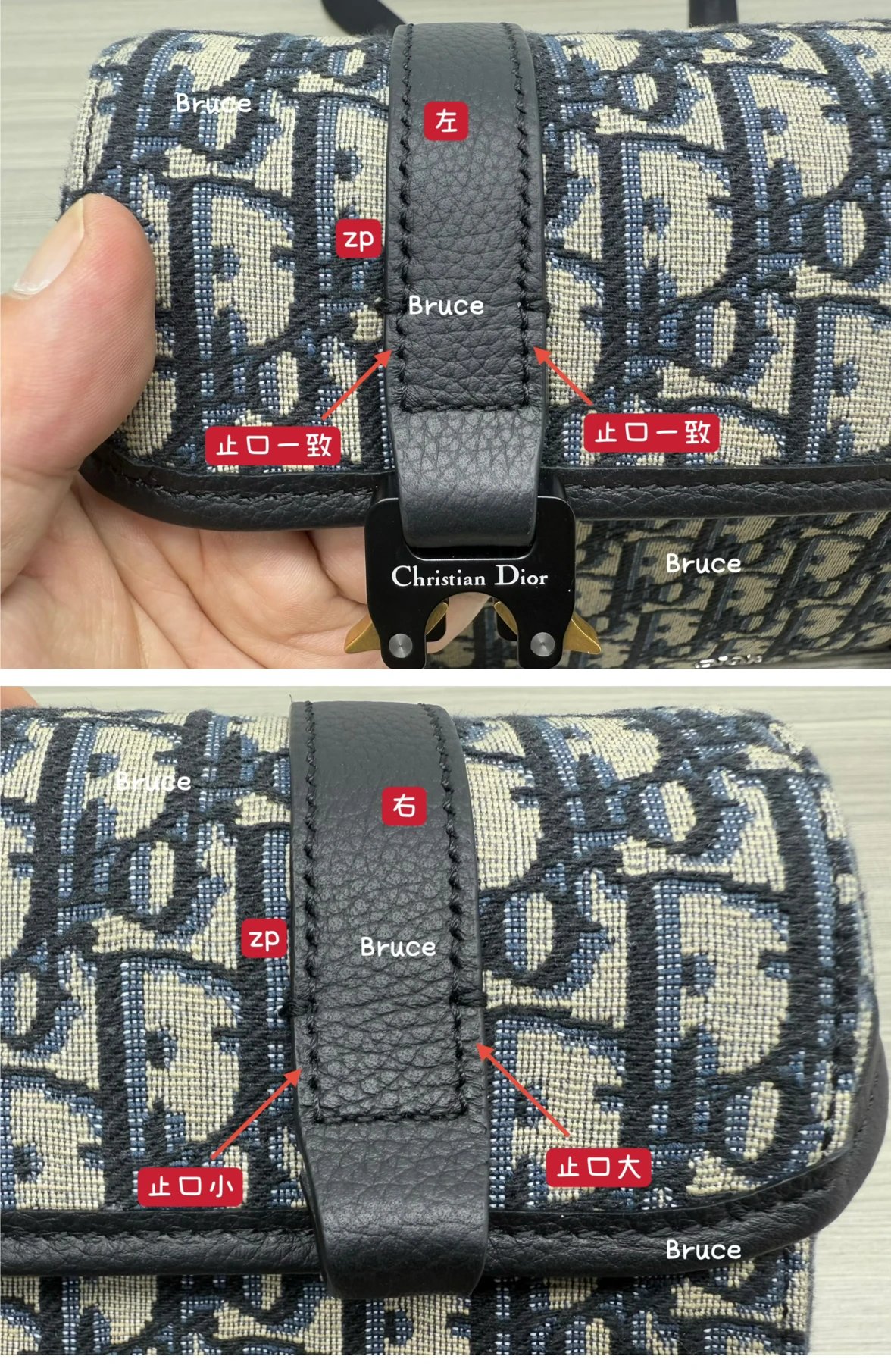
Even ZP (Retail) isn't perfect. As shown in the photos, there are several instances of stitching deviation (offset). The root cause for all these is the same.
-
Side Tab Leather: The seam allowance (the distance from the edge to the stitch) is inconsistent on both sides.
-
Side Leather Strips: The left strip has even margins, but the right strip is uneven.
-
Small Webbing Tab: The front side is even, but the backside margin is totally off.
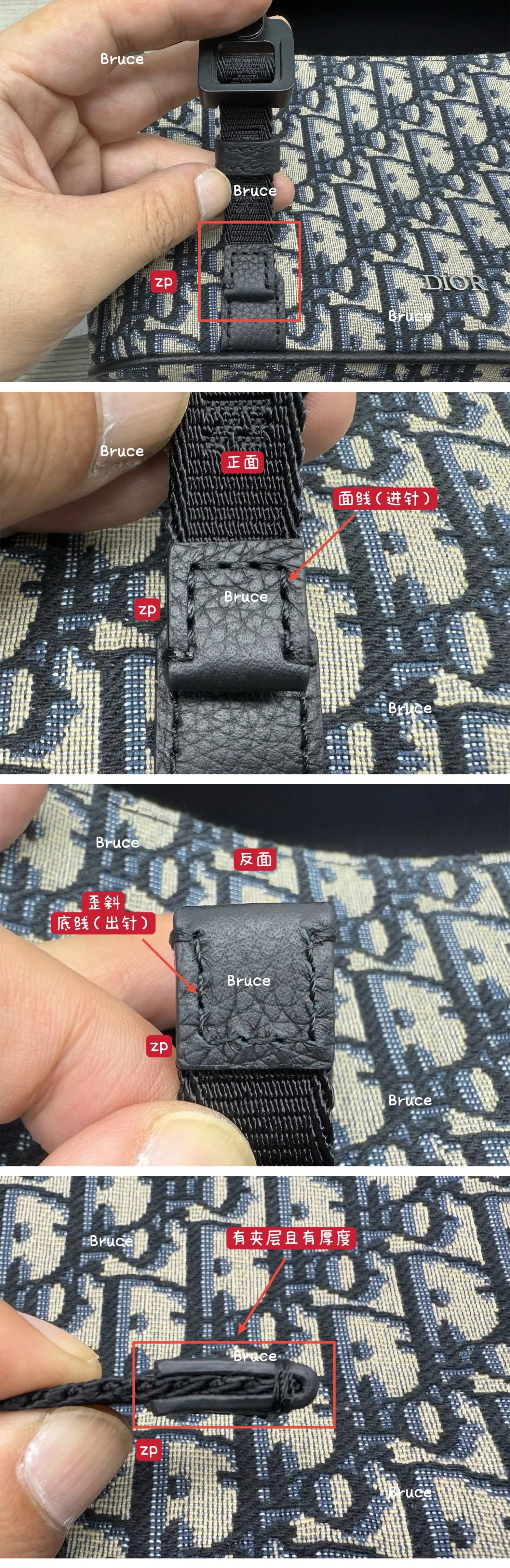
⚠️ Why "Needle Deflection" Happens:
This isn't necessarily "poor quality"—it’s physics. When a machine stitches through thick, hard, or layered materials with inconsistent textures, the needle encounters resistance.
The entry point (top thread) is usually well-controlled, but the exit point (bottom thread) is more susceptible to "drifting." This is a random occurrence in mass production for almost all luxury brands and is nearly impossible to avoid entirely unless the piece is 100% hand-stitched.
That wraps up the deconstruction phase.
As a reminder, the complete journey for this project is broken down into:
Deconstruction → Production → Finished Product Showcase & Comparison
If you want to view the other sections, please head over to the respective posts.